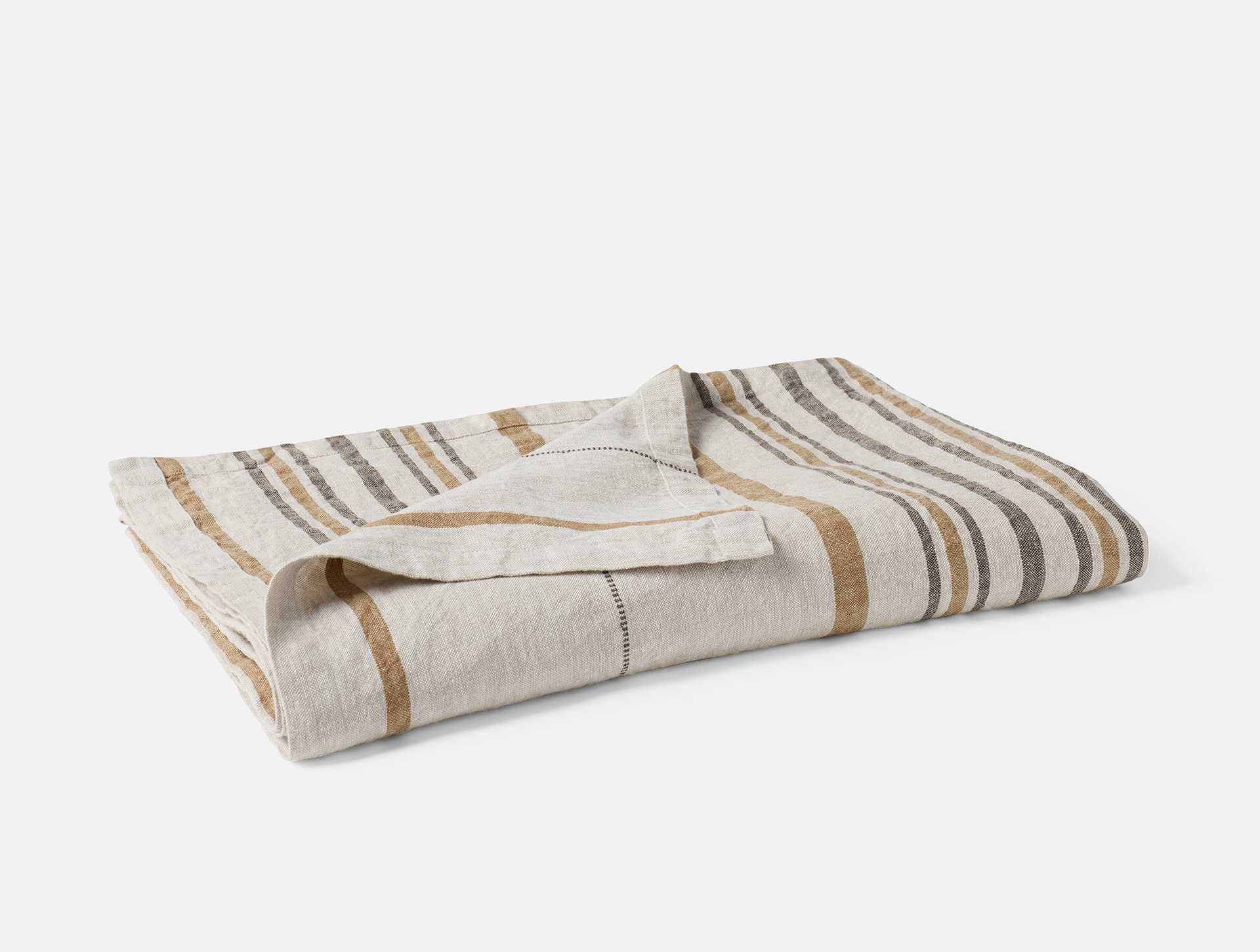
Tablecloths, a fundamental textile for dining and hospitality settings, serve both functional and aesthetic roles in interior environments. When selecting fabric, consider weight, weave, and fiber content, as these factors influence drape, stain resistance, and care requirements. Material choices—from cotton to linen—affect breathability, texture, and how a table setting interacts with lighting and decor.
Linen tablecloths, in particular, offer natural beauty, durability, and a character that improves with use. Linen fibers provide excellent absorbency and quick-wicking properties, helping to manage spills and humidity at gatherings. The texture and subtle variation in linen also contribute to a timeless, understated elegance suitable for various dining occasions.
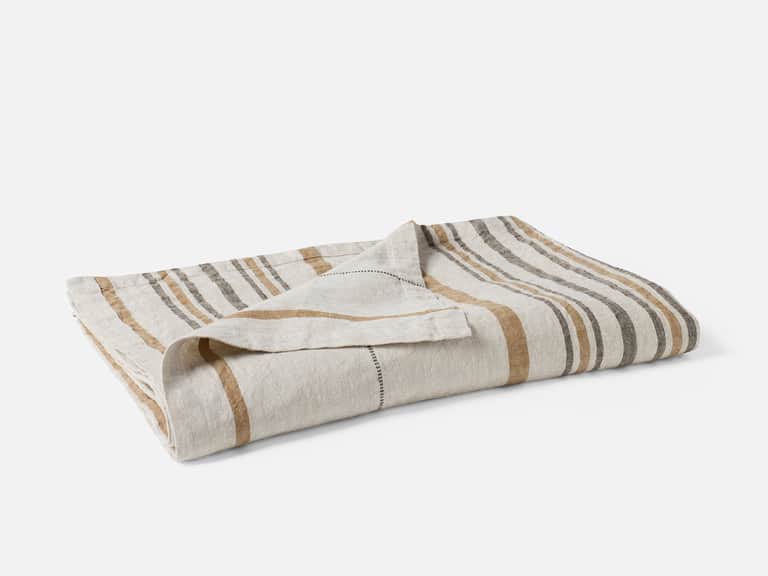
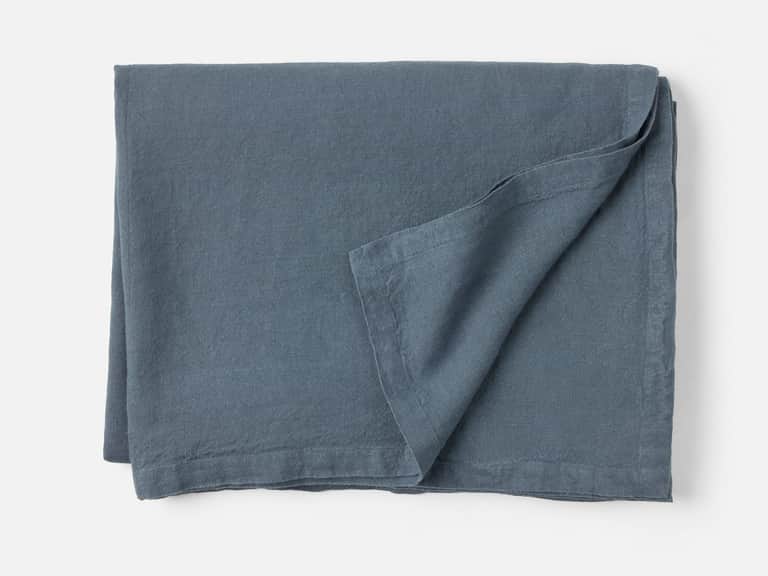
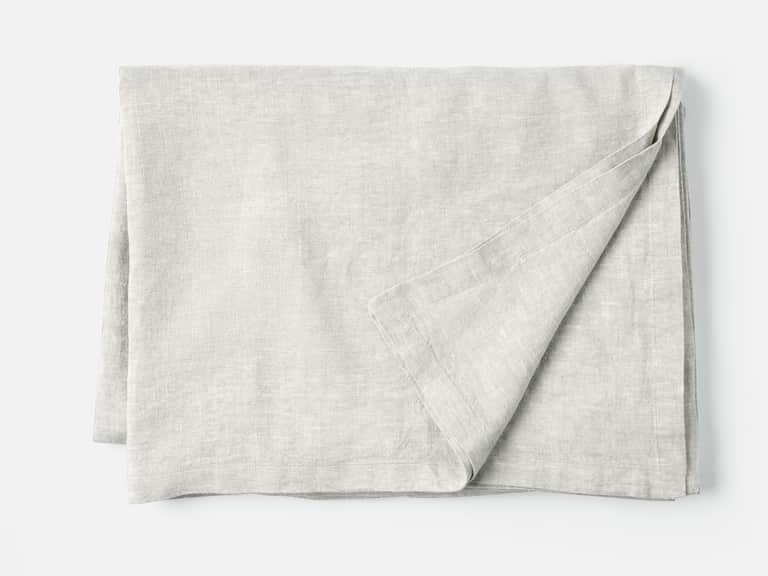
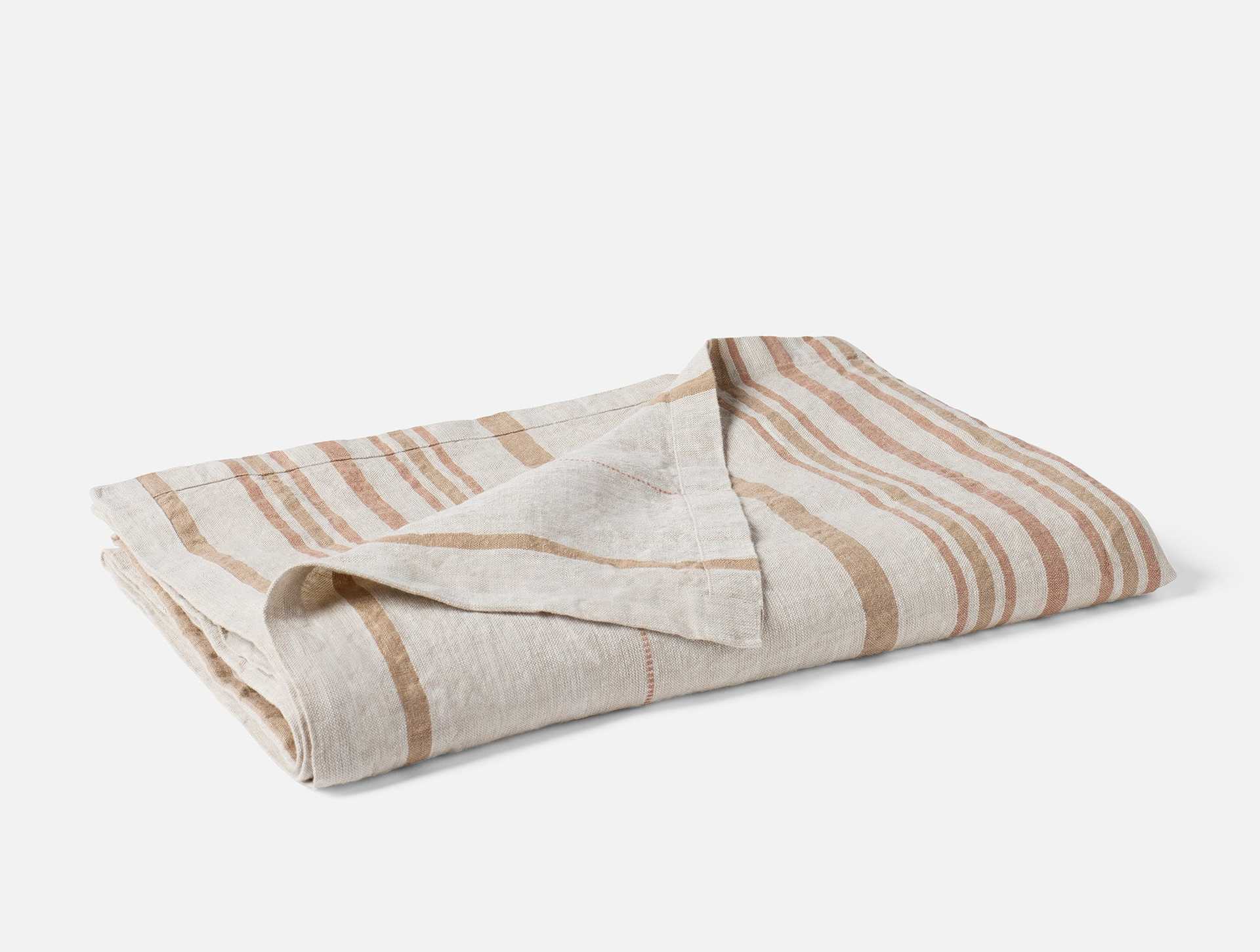
A Mojave Organic Linen Tablecloth exemplifies the advantages of natural fibers, combining sustainability with everyday practicality. Organic linen is grown without synthetic pesticides, and its production emphasizes reduced environmental impact. This type of tablecloth typically features a crisp hand, a relaxed drape, and a tactile surface that enhances table presentation while remaining easy to maintain.
Key features to evaluate include weave type, thread count relevance for linen, edge finishing, and care instructions. A well-made tablecloth resists wrinkling to a degree, cleans with standard laundering, and offers meaningful longevity through durable seams and reinforced hems. For families and small gatherings, the right tablecloth helps protect tabletops while creating a cohesive dining ambiance.
In the broader context of textiles associated with bedding, sheets, duvet covers, and furniture textures, tablecloths contribute to overall room cohesion and material storytelling. Understanding how table linens interact with platforms, dining furniture, and surface finishes can guide choices that balance practicality with style, enabling consistent, comfortable table experiences.
 Table
Table