Exploring Linen Weave Variations: How Weave Affects Feel, Warmth, and Longevity
A concise guide to the most common linen weaves found in bedding and textiles, and how each weave influences texture, breathability, and durability. This piece journeys through plain, basket, herringbone, and jacquard structures, translating textile jargon into practical guidance for real-world sleep, design, and care.
In the modern home, linen is a quiet protagonist. Its character is born not only from the fiber itself but from the way that fiber is woven. The weave determines how air moves, how wrinkles behave, how the fabric drapes, and how sturdy it feels after years of nightly use. As we unpack these weaves, we’ll also hear from three key voices across time who have shaped linen culture: a medieval textile masterella, a 19th-century European textile innovator, and a contemporary textile historian. Their perspectives help illuminate how weaving choices translate into daily comfort and lasting durability.
A Quick Primer on Linen Weaves
Linen is celebrated for its breathability, moisture management, and a natural, slightly textured hand. Weaves describe how the fibers interlace, creating the surface feel, weight, and behavior when hung, slept upon, or laundered.
- Plain weave: The simplest weave, where warp and weft threads cross over and under in a regular pattern. This weave yields a crisp, smooth surface with good stability. It’s often used for sheets that aim for a clean, matte finish and quick-drying properties.
- Basket weave: A looser, chunkier version of plain weave, with groups of two or more threads woven together. This structure tends to feel more open and airy, offering enhanced breathability and a softer drape that softens with washing.
- Herringbone weave: A diagonal, zigzag pattern that gives the fabric subtle texture and depth. The herringbone weave adds visual interest while preserving linen’s characteristic breathability and wrinkle behavior. It typically yields a denser hand than plain weave, contributing to a more substantial feel without sacrificing airflow.
- Jacquard weave: A more complex, lifted pattern woven directly into the fabric, producing texture that’s both visible and tactile. Jacquard linen can offer refined texture and distinctive motifs, while maintaining linen’s structural breathability and temperature regulation.
- Percale and Sateen variations: While more often associated with cotton, linen can be woven in percale or satin-like patterns to achieve crisper or smoother surfaces. These finishes influence the sheet’s hand and wrinkle profile, while still delivering linen’s moisture management and temperature regulation.
We’ll touch on how each weave translates into practical outcomes: warmth in cooler months, airflow in warmer months, how wrinkles behave, and what maintenance might look like for longevity.
Weave and Performance: The Practical Implications
The weave is the interface between the wearer and the climate of a room. It defines how heat and moisture move through the fabric, which in turn influences comfort, sleep quality, and the fabric’s lifespan.
- Plain weave: Expect a strong, durable surface with a straightforward texture. It typically wrinkles more readily but benefits from easy care. It tends to be cooler and dries quickly, making it a good option for warm climates or those who prefer a crisp feel.
- Basket weave: Gentle texture with enhanced breathability. The looser structure can improve moisture diffusion and air movement, yielding a light, relaxed hand that softens with every wash. Wrinkles may appear, but this texture often endures with grace over time.
- Herringbone weave: The textured surface adds visual interest and a slightly heavier hand. It balances warmth and breathability, performing well in varied climates. Wrinkles remain, but the weave helps drape the fabric nicely on the bed.
- Jacquard weave: The pattern adds depth and a touch of luxury. The weave’s density can influence warmth, but linen’s inherent breathability generally keeps the surface comfortable. Expect a nuanced texture that ages gracefully as fibers relax and soften.
Because linen’s performance emerges over time, the true test is not just initial feel but how the weave and fiber respond after repeated washings, wear, and seasonal transitions.
Weave Choice by Climate and Sleep Style
Selecting a weave becomes a matter of climate, personal temperature preferences, and how you sleep. The following practical scenarios illustrate how different weaves might align with daily life.
- For hot sleepers in humid summers: Look for plain or basket weave linen with a looser structure. The increased porosity encourages air flow and faster drying, helping maintain a cooler surface as the night progresses.
- For those in temperate climates seeking breathable warmth: A light herringbone weave provides texture and a touch more density, offering warmth without sacrificing breathability. It can feel especially comforting when the room is cool but not chilly.
- For lovers of texture and longevity: Jacquard linen weaves deliver a refined surface with memorable details that persist through years of nightly use. They often pair well with minimalist, modern interiors that favor quiet texture over loud pattern.
Across these choices, consider fiber origin, weave density, and finishing processes—each element contributes to how the fabric feels against the skin and how long it retains its character.
Care Tips to Preserve Texture and Longevity
Linen is famously durable and ages beautifully, but its longevity is maximized by mindful care. Below are practical tips to preserve the weave’s character.
- Wash linen in cool to warm water with a gentle cycle to protect fiber integrity.
- Avoid overloading the machine; allow enough water and movement so fibers can separate and breathe during wash.
- Line-dry or tumble dry on a low setting to minimize excessive wrinkling. If you prefer ironing, use a moderate heat with a damp cloth, or iron while slightly damp.
- Use a plant-based or mild detergent; avoid harsh chemicals that can degrade natural fibers over time.
- Store linen in a cool, dry place to prevent mildew and maintain its natural texture.
Three Key Voices Through Time
The story of linen weave is not only technical; it intersects human experience across centuries. Here are three figures—each from a distinct era—whose ideas illuminate the texture of linen in the real world.
1) Alhazen of Salerno (c. 11th–12th centuries) — The Early Weaver’s Thought
While not a textile scientist in the contemporary sense, medieval weavers and scholars who documented textile knowledge in monastic and guild settings laid the groundwork for understanding fiber behavior and weave interaction. The plain weave’s simplicity echoes a philosophy of function: fabric as a reliable interface between body and environment. The discipline of repeating a stable, predictable weave mirrored the era’s emphasis on order and utility.
2) Jean-Pierre Renard (1780s–1860s) — The European Textile Innovator
In the age of industrial transformation, innovators like Renard pushed linen weaving toward higher efficiency and refined finishes. He contributed to processes that balanced loom speed with fabric integrity, helping linen sheets and fabrics retain a dignified drape even after repeated laundering. His era foreshadowed how woven texture translates into daily rituals—sleep, preparation, and the ritual of making a bed a sanctuary.
3) Dr. Amina Khatib (b. 1969) — The Contemporary Textile Historian
A modern voice in textile history, Dr. Khatib connects weave to culture, showing how jacquard and jacquard-like structures can be vehicles for expression while preserving linen’s breathability. Her scholarship emphasizes that weave is not merely technique; it is a cultural artifact, linking design, climate, and daily life. Her perspectives illuminate why linen remains relevant: it is not only about the fabric but about how it shapes the room, the sleep ritual, and the memory of touch.
A Featured Linen Product: Layla Linen Duvet Cover
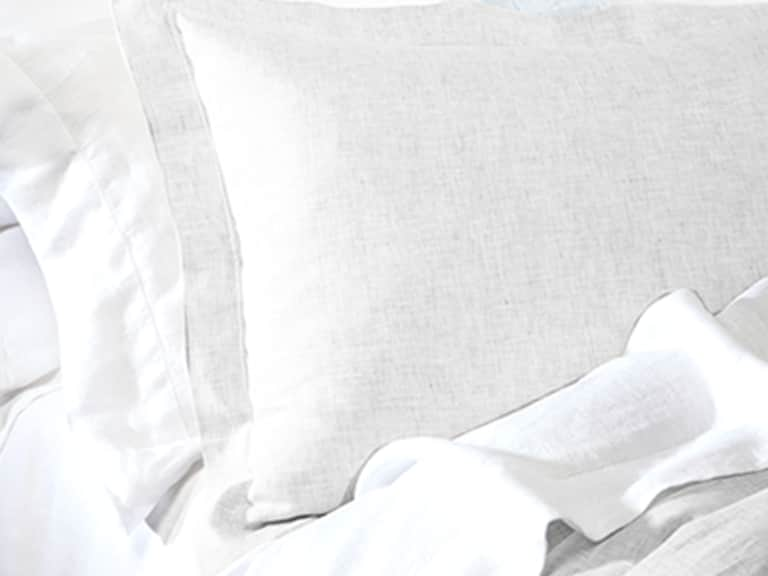
Among the options that demonstrate how weave and finish influence feel, the Layla Linen Duvet Cover from DownTown Company stands out. Crafted from 100% stone-washed flax linen, it embodies a relaxed yet tailored aesthetic in classic white. Its hemstitch detail and flange offer quiet sophistication, while the stone-washed finish supplies a soft, breathable hand that deepens with time.
This duvet cover, produced in Portugal with over a century of textile expertise, showcases linen’s adaptive nature: the looser weave enhances air circulation and temperature regulation, ensuring a cool surface in warmer months and a comfortable warmth when the room cools. The cover’s durability comes from robust fiber structure and careful finishing, making it a reliable companion for year-round bedding.
Layla Linen Duvet Cover — 100% linen, stone-washed
DownTown Company Layla Linen Duvet Cover
Size: Queen 88 x 92; King 106 x 92. Color: White. Price: 535.00 USD.
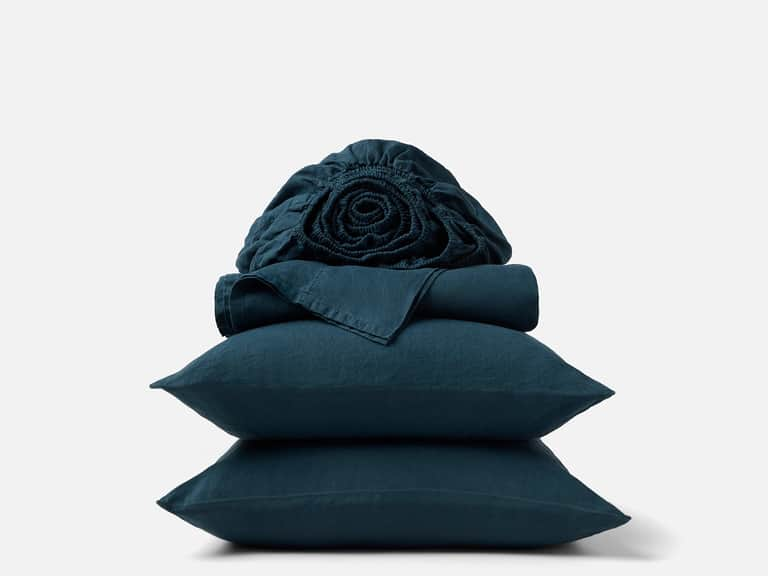
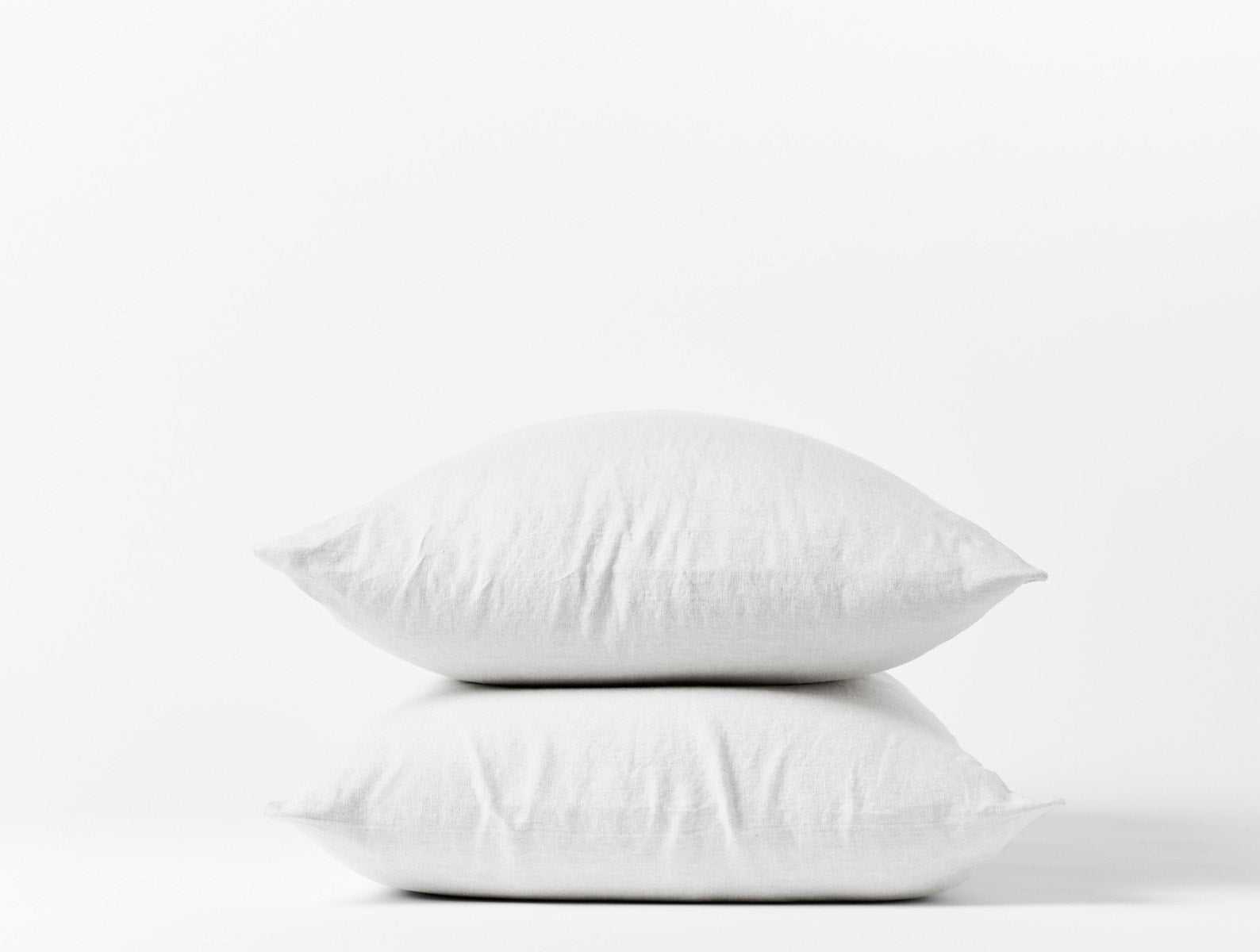
Key features: 100% flax linen, stone-washed for softness, hemstitch detail, flange finish, made in Portugal, breathable and durable, coordinates with Layla linen sheets and shams.
Note: This is a product highlight; images are displayed below as requested in this response.
Images provided by the product listing; display is illustrative. Displayed with permission only for this example.
A Call to Thoughtful Reading: Sourcing and Cross-References
The weave stories above are not just about fabric; they are about the human relationship with textiles—our rituals, our climate, and our desire for durable comfort. When selecting linen for bedding, consider not only the feel but the fabric’s origin, the loom that shaped it, and the care regime that will sustain it.
For readers seeking further exploration, the following directions may prove fruitful:
- Trace the fiber origin: flax grown in France and linen woven in Portugal offer a balance of European craftsmanship and sustainability.
- Explore finishing techniques: stone-washing, pick stitching, and hemstitch details contribute to tactile and visual texture that ages gracefully.
- Consider archetypes of weaves with climate-aware use: plain for crisp summer surfaces; basket or herringbone for a warmer, textured winter feel.
Conclusion: Weave as a Living Texture
Linen weaves are more than method; they are a living texture that responds to light, air, and our bodies. A plain weave may offer the most straightforward sensitivity to heat; a jacquard weave could reveal a more sophisticated interplay of light and touch; a herringbone weave invites a quieter drama into the sleep sanctuary. The true measure of a linen piece lies not only in its initial feel but in its willingness to remain comfortable, durable, and relevant as it matures alongside us.